

Imagine waking up to blinds that open gradually with the sunrise, a coffee machine that starts brewing before your feet hit the floor, and a thermostat that already knows your preferred morning temperature. This isn’t a scene from a sci-fi movie – it’s what a well-designed smart home routine looks like in 2026, and it’s more accessible than ever.
Table of Contents
What Exactly Is a Smart Home Routine?
A smart home routine is a series of automated actions triggered by a specific time, event, or voice command. Instead of manually adjusting lights, locks, speakers, and thermostats throughout the day, a routine handles it all in the background. Think of it as a personal assistant woven into the walls of your home – silent, reliable, and always working for you.
The real power of a smart home routine isn’t in any single gadget. It’s in how those gadgets communicate with one another to create seamless experiences. When your alarm goes off, your lights slowly brighten, your smart speaker reads the weather, and your kitchen starts warming up – all without a single tap on your phone.
A truly smart home doesn’t ask you to do more. It learns your patterns, anticipates your needs, and quietly removes friction from every part of your day.
Essential Smart Devices You Can Install at Home
Building a smart home routine starts with choosing the right devices. The good news? Most of these are designed for easy, DIY installation – no electrician needed. Here are the core categories to consider:
Smart Lighting
Smart bulbs and light strips let you schedule dimming, color changes, and wake-up sequences. They form the backbone of most home routines — from energizing morning tones to relaxing evening amber.
Smart Thermostats
Devices like smart thermostats learn your schedule and adjust heating or cooling automatically. They keep you comfortable while cutting energy bills by up to 20% annually.
Smart Locks & Doorbells
Lock doors automatically at bedtime, receive alerts when someone approaches, and grant temporary access to guests – all from your phone or through a voice command.
Voice Assistants & Hubs
A smart speaker or display acts as the central brain. It connects all your devices and lets you trigger entire routines with a single phrase like “Good morning” or “I’m leaving.”
Smart Plugs & Switches
Turn any “dumb” appliance into a smart one. Schedule your fan, lamp, or coffee machine to turn on and off at specific times – the easiest entry point into home automation.
Smart Sensors & Cameras
Motion sensors, door/window sensors, and indoor cameras add an intelligence layer – triggering lights when you walk into a room or alerting you to unexpected activity.
Designing Your Daily Smart Home Routine
The key to a great smart home routine is mapping it to your real lifestyle. Don’t automate for the sake of it – automate the moments that matter. Here’s a sample daily flow to inspire your own:
06:30 AM — Wake Up
☀️ Rise & Shine Routine
Bedroom lights gradually brighten to warm white. Smart blinds open halfway. Thermostat adjusts to 72°F. Coffee maker starts brewing. Smart speaker plays a gentle playlist or your daily news briefing.
08:00 AM — Leaving Home
🚪 Goodbye Routine
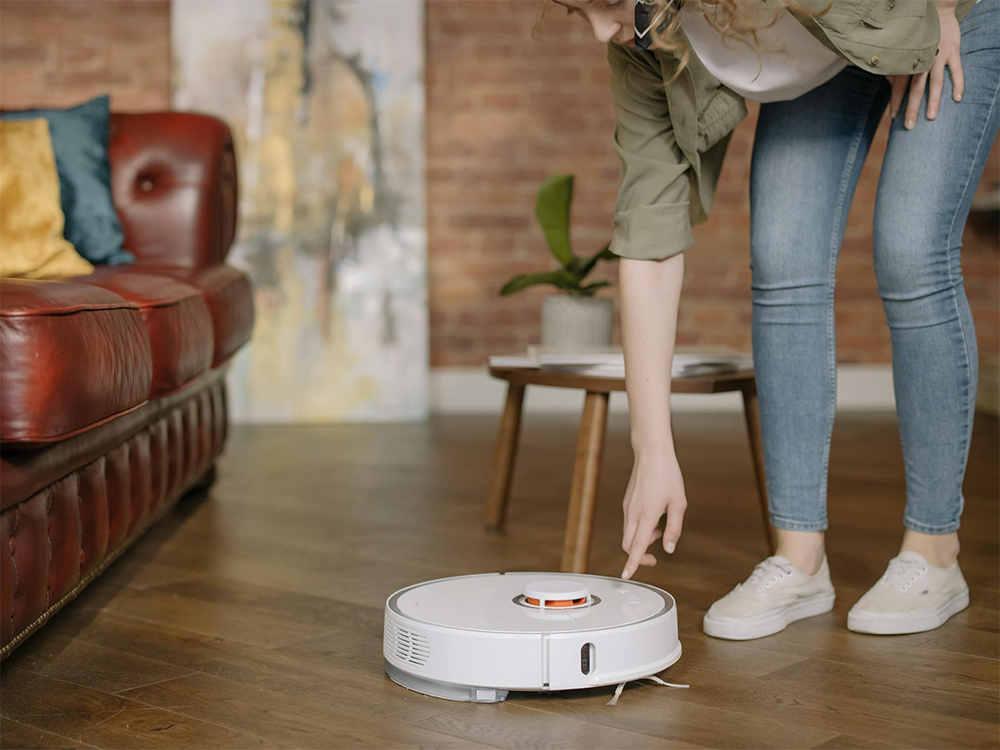
All lights turn off. Thermostat enters eco-mode. Smart lock engages. Robot vacuum begins its cleaning cycle. Security cameras switch to “away” mode with motion alerts enabled.
05:30 PM — Arriving Home
🏠 Welcome Home Routine
Geofencing detects your phone nearby. Porch lights turn on. Door unlocks. Thermostat returns to your preferred temperature. Living room lights set to a warm, relaxing tone.
09:30 PM – Wind Down
🌙 Bedtime Routine
Lights across the house dim to 10%. Doors lock automatically. Thermostat drops to a sleep-friendly 67°F. White noise or ambient sounds play in the bedroom. Phone enters Do Not Disturb.
How a Smart Home Routine Optimizes Your Lifestyle
Save Time on Repetitive Tasks
The average person makes hundreds of small decisions at home every day — adjusting lights, checking locks, setting temperatures. A smart home routine eliminates that mental load. Over the course of a year, those saved minutes add up to hours you can spend on things that actually matter to you.
Reduce Your Energy Bills
Smart thermostats, automated lighting schedules, and smart plugs that kill phantom power draw can significantly reduce your monthly utility costs. When devices only run when they’re needed, you stop paying for energy you’re wasting. Many users report saving 15–25% on energy bills after setting up proper routines.
Improve Sleep Quality
A bedtime routine that gradually dims lights, cools your home, and plays soothing sounds signals your body to wind down naturally. Blue-light reduction from smart bulbs in the evening supports healthier circadian rhythms, helping you fall asleep faster and wake more refreshed.
Boost Home Security
Automated locks, cameras, and sensor-triggered lights create multiple layers of protection. A “goodnight” routine that checks every lock and arms every sensor gives you peace of mind without you having to walk through the house double-checking doors.
Create a Healthier Environment
Smart air purifiers and humidity sensors can be integrated into your routine to maintain optimal air quality. Smart garden systems water your plants on schedule. Even water leak detectors can alert you to problems before they become costly disasters.
Pro Tip: Start small. You don’t need to automate your entire house at once. Begin with one routine — like a morning wake-up sequence — using just a smart bulb and a smart plug. Expand from there as you discover what makes the biggest difference in your day.
Tips for Building Your First Smart Home Routine
Pick one ecosystem and stick with it. Whether you choose Google Home, Amazon Alexa, or Apple HomeKit, keeping your devices within one platform makes routines smoother and reduces compatibility headaches.
Use scenes and groups. Instead of controlling each device individually, group them. A “Movie Night” scene might dim the living room, turn off the kitchen lights, and lower the blinds — all in one tap or voice command.
Leverage geofencing. Most smart home apps can detect when your phone enters or leaves a geographic area. This means your home can prepare itself for your arrival or secure itself when you leave — no manual trigger required.
Don’t forget manual overrides. Automation is powerful, but life isn’t always predictable. Make sure every routine has an easy way to be paused, adjusted, or overridden with a quick voice command or app toggle.
Review and refine monthly. Your habits change with the seasons, your schedule, and your household. Set a reminder to revisit your smart home routines once a month and fine-tune the timing, triggers, and actions to stay aligned with how you actually live.
The Future of Smart Home Routines
We’re moving toward homes that don’t just follow instructions — they learn, adapt, and anticipate. AI-powered smart home platforms are getting better at recognizing patterns, suggesting new routines based on your behavior, and adjusting on the fly without being told. The smart home of 2026 is already far more intuitive than what existed even two years ago.
As Matter and Thread protocols continue to unify smart home devices across brands, building a reliable smart home routine will only get easier. The walls between ecosystems are crumbling, and the result is a more connected, more responsive home for everyone.
Whether you’re a tech enthusiast or someone who just wants mornings to feel a little less chaotic, investing in a smart home routine is one of the most practical lifestyle upgrades you can make. Start with one device, one routine, one moment in your day – and let the rest follow naturally.