

### Blog Post:
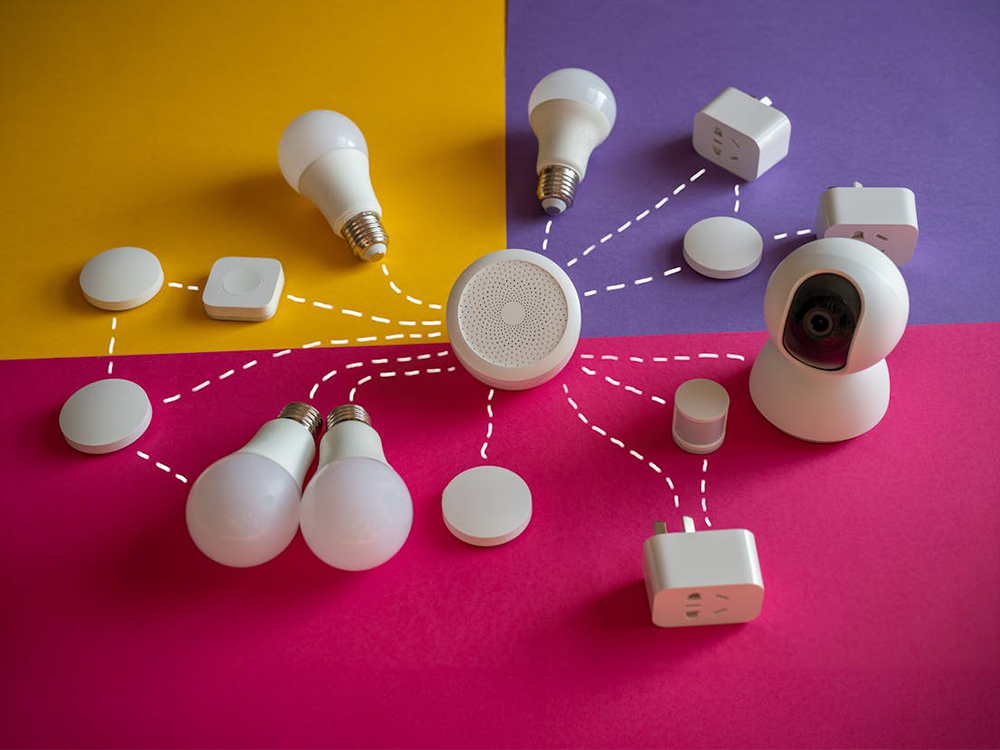
AI smart home automation is no longer a futuristic buzzword. It’s a high-impact upgrade, changing how tech-aware homeowners and small property managers maximize comfort, security, and energy efficiency while questioning costs, privacy, and real results. Whether you’re planning a whole-home AI orchestration by 2026 or weighing smaller predictive upgrades, understanding the evidence, trade-offs, and missed details will save time, money, and headaches.
Key Takeaways
- The market for AI smart home automation is exploding predictive systems now touch one in five global households, with a 27.8% CAGR, yet many platforms lack transparency in cost, security, and actual measurable outcomes.
- Upgrading to an AI-powered home involves new hardware, cloud or local ML engines, and orchestration but integration, privacy protection, and user “training” habits are often overlooked and critical for ROI.
- For real results, focus on interoperability, solid onboarding protocols, privacy audits, and collecting your own usage and savings metrics since nearly all vendor claims are unverified by real-world studies.
- Why AI smart home automation matters right now
- How predictive smart home systems actually work (technical primer)
- Technical differences: basic smart home vs advanced AI-powered automation
- Real-world benefits and expected outcomes
- Common user complaints and operational challenges to address
- Safety, privacy, and security risks – what to audit before deploying
- Cost framework for deploying a state-of-the-art AI home assistant in 2026
- How accurate and effective are predictive systems – metrics you must measure
- Three high-value angles leading articles miss
- Practical checklist and content assets to include in the post
Why AI smart home automation matters right now
Right now is a decisive moment for AI smart home automation. The global smart home market hit USD 94.03 billion in 2024, with AI-driven home automation at USD 20.5 billion and growing rapidly.
This explosive growth – driven by advanced device ecosystems, cloud AI, and surging vendor investment—means homeowners have more choices and leverage than ever. The smart home sector is projected to double in value by 2026, reaching an estimated USD 193.5 billion. Over 400 million homes worldwide already use smart devices, and more than 300 million rely on AI-centric systems that leverage machine learning for convenience and efficiency. In North America alone, over 305 million smart home installations demonstrate mainstream traction.
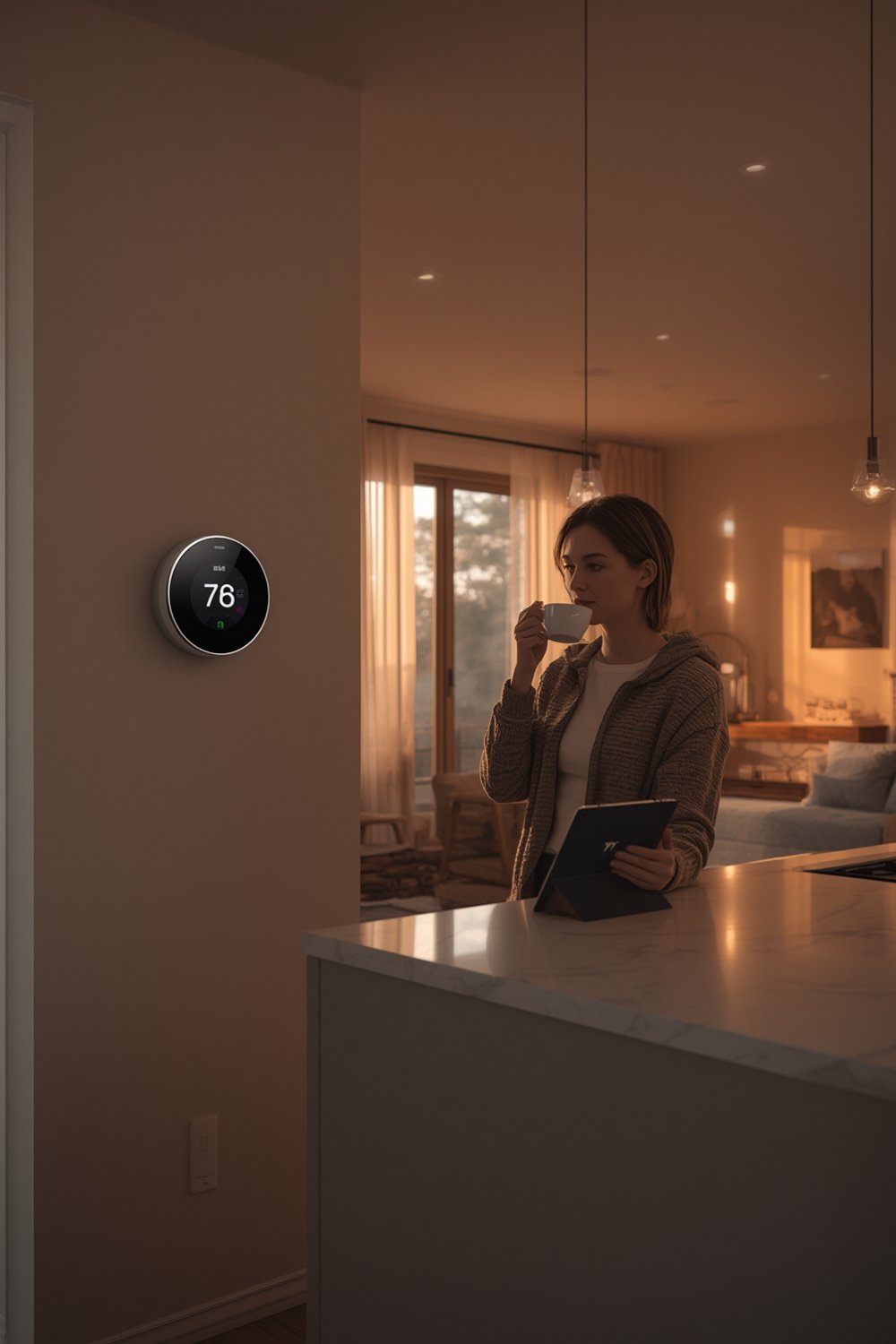
Why does this matter? Most vendors are now accelerating support, cross-device compatibility, and R&D for ai powered home automation. That means if you’re going to level-up with predictive and adaptive automation, now’s the ideal window – before standards settle and today’s legacy tech is left exposed or obsolete.
Learn how these platforms are already reshaping routines in this practical guide on smart home routines.
How predictive smart home systems actually work (technical primer)
Predictive smart home ai learning habits are built on four main components: sensors, data pipelines, inference engines, and orchestration layers:
- Sensors and Inputs: Motion, temperature, humidity, cameras, sound, occupancy, door/window sensors all feed real-time data.
- Data Pipeline: Local (edge) or cloud transport for raw device data – split between privacy-focused home hubs and scalable vendor servers.
- Inference Engine: Machine learning models analyze usage patterns and “learn” your habits, such as when you adjust lights or HVAC, or what times you lock doors.
- Orchestration Layer: Combines predictions and triggers actions automatically, or asks for approval if confidence is low.
Contrast this with rule-based systems: a standard smart thermostat might follow a set schedule, but a machine learning thermostat adapts to daily changes – learning when you actually leave or sleep – and shifts heating/cooling accordingly.
Machine learning solutions now account for about 42% of all AI home automation systems (2023), mainly because AI now powers behavioral learning for thermostats and security, enabling actions based not just on rules, but on real-time prediction of your routines and occupancy.
Important: Prediction is not the same as simple automation. True AI platforms adapt over time – meaning their value actually increases as they see more real-world household behavior.
Technical differences: basic smart home vs advanced AI-powered automation
What separates a standard smart home from an advanced, AI-powered one that uses an ai home orchestrator? Here’s a practical side-by-side:
| Feature | Basic Smart Home | Advanced AI-powered Automation |
|---|---|---|
| Control Model | Manual app/voice or static rules | Predictive, learning user behaviors |
| Data Handling | Simple device commands; limited learning | Continuous behavior modeling; environmental context |
| Adaptation | None; only explicit programming | Dynamic; updates models based on life changes and multi-occupant data |
| Latency | Low (local) | Varies (local/cloud) |
| Privacy Model | Minimal data outside home | Potential third-party data access |
| Vendor Lock-in | Easier to mix brands | Difficult; proprietary orchestration protocols |
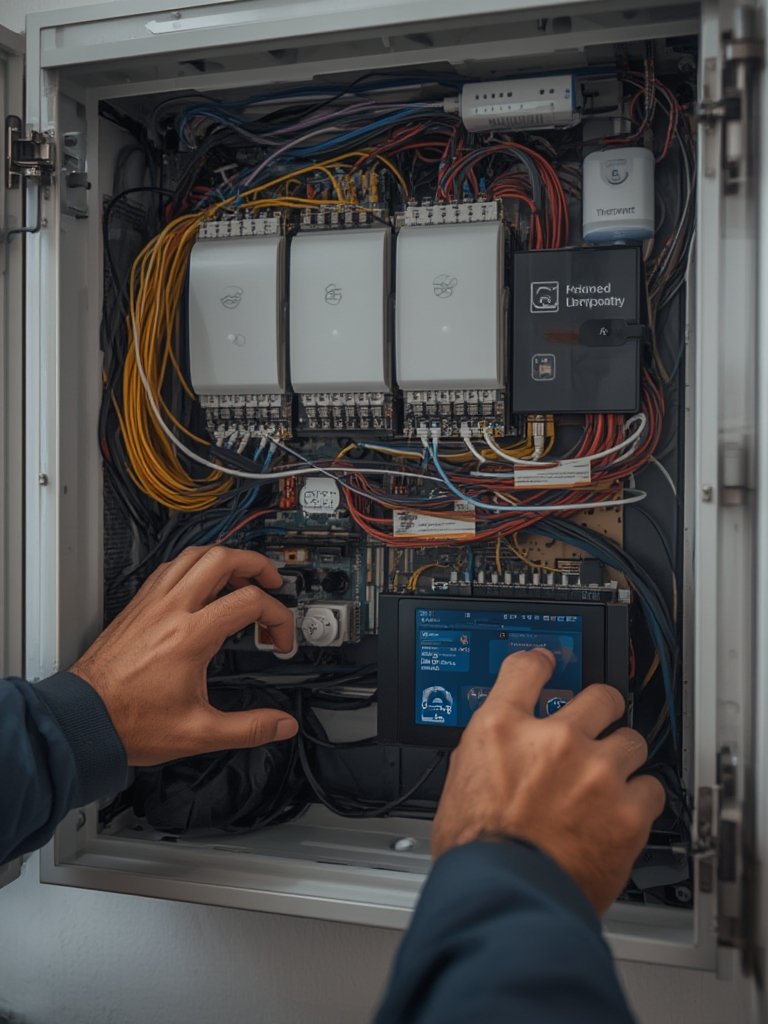
Upgrading to true AI smart home automation typically means adding or swapping out key hardware (smart hubs with local inference, compatible sensors, multi-vendor support modules), and adopting orchestration platforms able to learn and adapt. Expect a learning period as the system studies your patterns, especially if you have multi-occupant or non-standard schedules.
Real-world benefits and expected outcomes
What can you expect from a predictive smart home system or an ai home assistant 2026-level upgrade? Here are the main outcomes, illustrated with caveats that research and vendors seldom mention:
- Routine Anticipation: Lights, climate, and locks preemptively adjust based on your learned patterns – meaning fewer manual tweaks.
- Energy Savings: HVAC and lighting align more closely with occupancy and weather, promising measurable but variable cost reductions.
- Personalized Comfort: Multi-zone scenes cater to different household members and adapt over time.
- Anomaly Detection: AI-powered security spots unusual motion, entry, or thermal signatures, alerting you to leaks, intrusions, or forgotten appliances.
However, research as of 2024 shows nearly all such claims derive from case studies on machine learning thermostat optimization – there are no published user surveys or third-party tests with concrete metrics (e.g., “25% fewer manual commands” or “X% actual energy bill reduction”). For now, plan to record your own before/after data.
Common user complaints and operational challenges to address
Before you move from aspiration to installation, get real about the pain points other users report:
- Interoperability: Many advanced ai powered home automation setups stumble when mixing brands or device protocols. Habits learned on one platform rarely migrate cleanly to a replacement or upgrade. Learn more about building routines and multi-ecosystem setups in-depth here.
- Onboarding Friction: Setting up device groups, voice IDs, schedules, and permission policies is notoriously more complex in AI-driven homes.
- implementation Cost: Hardware, professional install, and premium orchestration subscriptions sticker-shock many buyers. Ongoing software and security updates add further expense.
- Vendor Transparency: It’s difficult to audit what AI learns, where data is stored, or for how long. Many systems require blind trust in black-box algorithms.
Reported interoperability and vendor transparency issues stifle adoption of predictive smart home system platforms, especially as homes accumulate dozens of devices across competing standards.
Safety, privacy, and security risks – what to audit before deploying
AI-powered predictive systems greatly increase the attack surface in your home – especially with ai home orchestrators that gather and process years of behavioral data across sensors, cameras, and even TVs. Here’s where to zoom in:
- Behavioral Data Exposure: Machine learning models build detailed usage profiles that can be valuable to attackers if cloud-stored or transmitted without encryption.
- Device Vulnerabilities: Cameras, climate systems, and voice assistants remain prime targets for exploits – especially if auto-discovery is enabled.
- Expanded Connectivity: Orchestrators often rely on constant cloud sync or 5G; this opens more routes for digital intrusion or remote hijacking.
Mitigation steps include:
- Network Segmentation: Keep smart devices on a separate VLAN from laptops and critical personal data.
- Local-First Inference: Prioritize systems capable of processing data at home, reducing outside exposure.
- Strong Authentication: Mandate complex passwords, biometric unlocks, and two-factor logins for all device access and admin panels.
- Vendor Security Audits: Demand proof of annual penetration testing and security certifications from your provider.
Cyberattacks – and privacy issues from AI learning routines in thermostats and sensors – are not just theoretical. Make security a central part of your project assessment, not an afterthought. For more practical security tactics see our routine optimization guide.
Cost framework for deploying a state-of-the-art AI home assistant in 2026
Precise 2026 figures remain unavailable, but here’s a transparent build-up model for deploying an ai home assistant 2026:
- Hardware: Mid-tier local hub ($300–$600), advanced multi-sensor bundle ($200–$800), smart climate and relay modules ($300–$700), optional multi-zone audio/video ($300+)
- Professional Installation: $400–$1,500 for wiring, legacy adapter integration, and network segmenting
- Cloud/Software/ML Subscription: $10–$40/month for orchestration, cloud AI, advanced device linking and security updates
- Annual Upgrades & Maintenance: $150–$500/year for software/security patches, device repairs, and evolving ML models
Sample cost scenario for a 3-bedroom smart home by 2026:
| Level | Upfront Cost | Ongoing (annual) | Key Features |
|---|---|---|---|
| Low | $1,200–$2,500 | $120–$300 | Basic hub, select sensors, limited ML routines |
| Medium | $3,000–$6,000 | $300–$600 | Full sensor suite, HVAC, multi-room orchestration, cloud AI |
| High | $10,000+ | $600–$2,000+ | Whole-home learning, home/EV/PV integration, pro managed |
No cost models factor in “soft” expenses like onboarding time or interoperability headaches – these drive additional value lost/gained. Always track your actual results to justify the investment.
How accurate and effective are predictive systems – metrics you must measure
To truly gage your predictive smart home system and AI smart home automation payoff, collect the following KPIs:
- Percent reduction in manual commands: How much time do you spend telling your system what to do before vs after AI deployment?
- Energy savings rate: Compare kWh and bills three months before and after upgrade.
- Prediction accuracy: Ratio of “right” to “annoying” automatic actions weekly.
- False positive/negative rate: When does the system miss or over-trigger critical events?
- User override rate: How often do you have to tell it “no” or manually change its actions?
- Time-to-adapt: Days or weeks until AI “locks in” correct routines after onboarding or major schedule changes.
Reality check: No independent studies, user surveys, or third-party audits currently report real-world figures on these KPIs – everything you see in marketing is inferred or “expected,” not proven (source).
You should design a primary data-collection plan, set clear targets, and – if you’re investing at the high end – seek live benchmarks directly from your vendor or community installers. For more on habit-based automation, see our article on optimizing routines.
Three high-value angles leading articles miss
Most leading articles on AI home automation miss three crucial factors, each make-or-break for real-world outcomes:
User Training/Onboarding Protocols
Unlike “plug-and-play” devices, predictive smart home systems require a purposeful onboarding period so your system can establish baseline behaviors. How to teach your home:
- Follow “normal” routines intentionally for the first week (avoid big deviations).
- Manually confirm or adjust system automation when it guesses wrong (for at least 10 days).
- Prompt all users (spouse, teens, guests) to use their own profiles or devices during onboarding so the system doesn’t get confused.
Strong onboarding increases automation confidence and reduces annoying misfires later. Download our sample onboarding guide in the checklist section below.
Long-Term Adaptability and Maintenance
AI routines will drift if your life changes – think: work-from-home, adding roommates, or new pets. Plan to:
- Re-initiate “learning mode” annually or after big life shifts so the system refreshes its data.
- Schedule periodic device health checks and software updates to avoid ML bias or model staleness.
- Set device obsolescence reminders – some sensors or hubs will require hardware refresh every 3–5 years.
Detailed Real-World Case Study (Sample Scenario)
Example: Modular Kitchen + EV Charger Integration (2026)
- Problem: Homeowner wants kitchen prep/ventilation, EV charging, and night security automated with learning-based triggers, avoiding overcharging and missed lockups.
- Setup: Edge AI hub ($500), 10-sensor kit ($400), EV relay module ($270), kitchen camera ($120), pro install ($900)
- Timeline: 1 week install, 2-week onboarding, monthly system tune up by user
- Measured KPIs: Over first three months, kitchen lights/vent turned on 87% without commands; 14% drop in standby power; only 2 manual EV overrides per month after first 30 days.
For a template to audit your own project, download our cost/KPI and onboarding worksheets below.
Practical checklist and content assets to include in the post
If you’re serious about deploying advanced ai powered home automation – or aiming for a full ai home assistant 2026 setup – use these concrete tools to plan, deploy, and prove results:
- AI Smart Home Cost Template [1-page]: Capture all expected hardware, installation, cloud, and annual upgrade costs. Leave margin for software or “unseen” interoperability patches.
- Security Audit Checklist: Who has data access? Are cameras/TVs on their own VLAN? Is admin access password only or biometric?
- User Onboarding Script: Outline step-by-step “first week” behavior, profile setup, and feedback process for all home members.
- Real-World Case Study Template: Track problem, setup, timeline, target KPIs, and lessons learned; revise annually.
- Primary Metrics Plan: Set baseline and six-monthly targets for manual command reduction, energy savings, false trigger rates.
Vendor Interview Checklist:
- Does the platform support mixed-brand devices and open standards (e.g., Matter, Thread)?
- Can core ML run locally, or is all inference cloud-based?
- What are the default data retention and export settings?
- What security certifications and independent audits has the platform passed?
Combine these with in-depth resources on routine automation and habit-based automation, and you’ll control both the downtime risk and ROI of all future upgrades.
Conclusion
AI smart home automation can radically improve comfort, energy efficiency, and daily convenience – if you get the fundamentals right. Before investing, scrutinize vendor claims, audit your current device mix and privacy risks, and plan to collect your own usage and ROI data. The savviest homeowners aren’t just buying flashy features – they’re demanding real performance, measured security, and updatable orchestration that will evolve through 2026 and beyond. Start your upgrade journey deliberately, and make AI smart home automation work for you, not the other way around.
Ready for smarter, safer, more personalized automation? Move your research forward, and lock in clarity before you buy. And if you want more step-by-step advice on building routines or optimizing for lifestyle, read this actionable guide on smart home routines.
Frequently Asked Questions
How much does ai smart home automation actually cost for a typical 3-bedroom home?
Costs vary. Expect $2,500–$6,000 upfront for AI-enabled hubs, sensors, and installation, plus $120–$600/year for software, cloud AI, and updates. Complex legacy integration or high-end platforms may cost more. Use our cost framework and template above for a custom estimate.
Is ai powered home automation secure and private?
No system is 100% risk-free. Major threats include behavioral data leaks, device vulnerabilities, and cloud breaches. Segment your network, choose vendors with third-party security certifications, and prefer local inference where possible.
How long does it take for a predictive smart home system to “learn” my habits?
Most systems need at least 1–2 weeks of normal use to map routines and occupancy. Onboarding goes faster if you follow intentional routines and correct system mistakes early using their app or voice feedback.
Can I mix brands, or do I need to pick one AI home orchestrator?
Mixing brands is possible if your orchestrator supports open protocols (Matter, Thread, Zigbee). However, many AI automations work best within a single ecosystem. Always ask about direct multi-brand integration and data portability before committing.
How do I know if my ai home assistant 2026 upgrade was worth it?
Track KPIs: time spent on manual commands, energy bills, false/annoying triggers, and household satisfaction. If you aren’t seeing measurable improvement in convenience and savings after six months, review your onboarding, adaptivity, and possible vendor limitations.
—